With the arrival of Pope Francis to the United States on September 22, 2015 many expected the Pontiff to speak on the issue of nuclear proliferation during his appearances at a joint session of Congress and at the United Nations’ General Assembly. They were not disappointed
A Side-by-Side Comparison of House, Senate and Conference Defense Authorization Bills
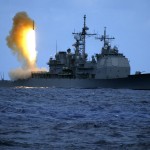
A closer look a the FY16 National Defense Authorization Act.
The Pentagon’s Quantity Over Quality Problem
The United States spent just about $610 billion on defense last year. That’s more than the next seven countries combined.
But it’s not new news that the U.S. spends more than any other country on defense. What is becoming more apparent, as we come to the end of the 2015 fiscal year, is the opaque and often inconsistent method by which Congress splices together the Pentagon budget.
Millennials Tackle Nuclear Security
Six years ago, President Obama stood in Hradcany Square in Prague, Czech Republic and announced “America’s commitment to seek the peace and security of a world without nuclear weapons.” The President outlined a broad and bold strategy that focused on stopping rogue nuclear states, securing nuclear materials, and lowering weapon stockpiles.
Diplomacy Wins: US-Cuban Relations
On July 20, a flag raising ceremony drew hundreds of spectators and marked the reopening of the Cuban embassy in the United States. The short ceremony paled in comparison to the monumental shift in US foreign policy that the embassy opening represents. After years of estrangement, Cuba and the United States officially normalized diplomatic relations, ending a generation long stand-off.
