By John Erath
On April 27, a group of students from American University’s Semester in Washington program were the first to participate in the Center’s new simulation of multilateral arms control. The results were interesting to say the least.
Participants were divided into five teams, representing the five nuclear-weapon states (P5) recognized by the Nonproliferation Treaty (NPT). Their task: to finalize negotiations on a (fictional) treaty regulating the use of artificial intelligence (AI) in command and control systems for nuclear weapons. The participants were provided with a draft treaty and summaries of their national positions with clear negotiating redlines and desired outcomes. They then had delegation meetings to finalize their positions and receive instructions from national authorities, then met as a whole. The first negotiating session was occupied largely with formal statements repeating national positions and gathering information on others. Following further delegation time and consultation with national authorities, the real work began.
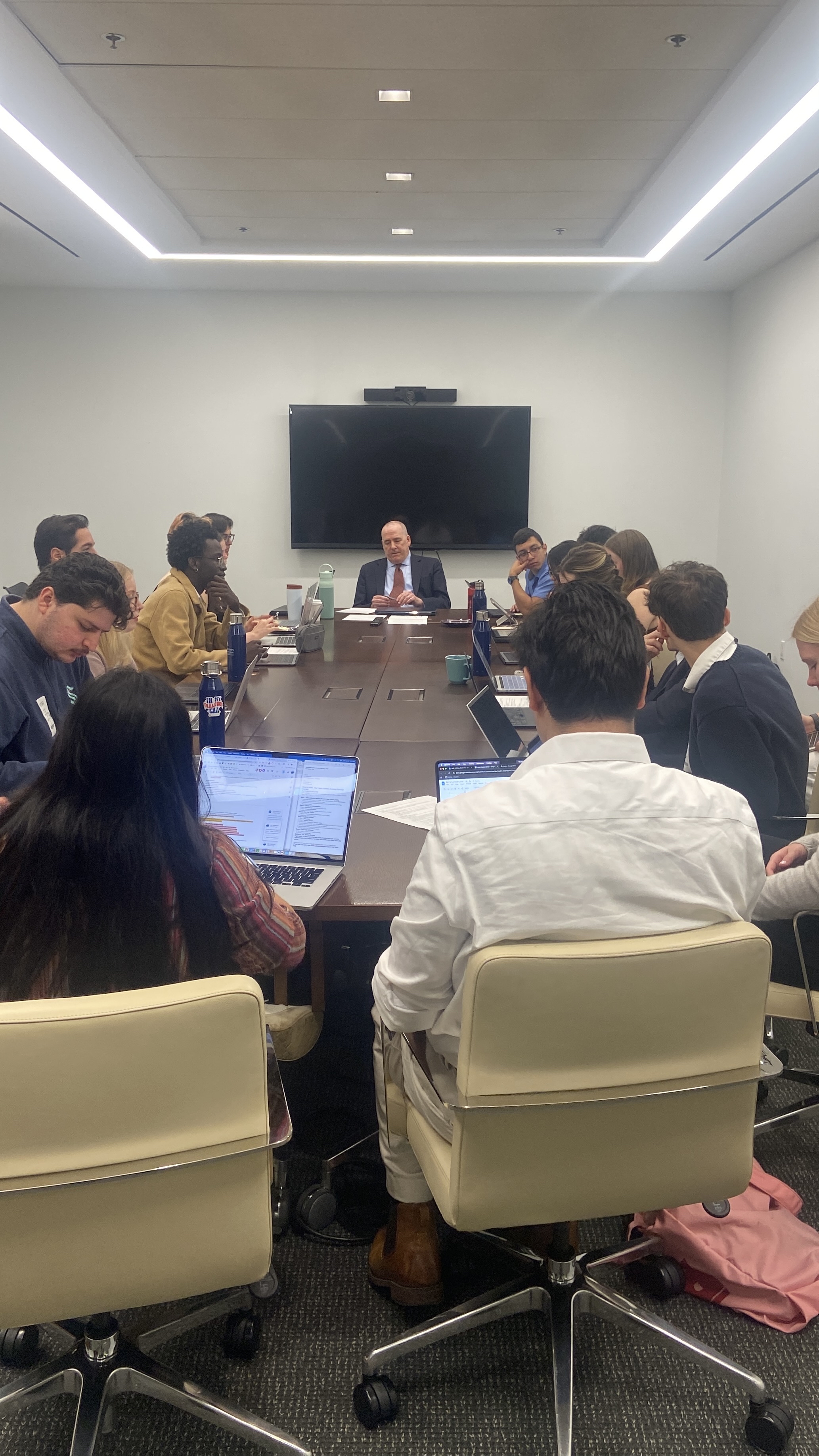
The final negotiating session featured a number of disagreements, mainly on the draft treaty’s information and verification provisions. In the draft, verification was left mainly to national choice, with participating states allowed to choose from a “menu” of means of assuring others that they were complying with the core provisions requiring human decisions to use nuclear weapons. Some participants liked the flexibility of this approach, while others felt it left too much room for non-compliance. Discussion also covered such issues as whether the treaty should be accompanied by “No First Use” declarations and the possibility that the treaty be open to all states with nuclear weapons capabilities, including Israel and North Korea.
In the end, time constraints won out, and the treaty remained unfinished. Most participants felt that even given more time, they would have had difficulty bridging the differences remaining, making agreement unlikely. There were, however, several takeaways or lessons learned that participants felt made the exercise valuable as a learning experience.
Harder Than It Looks. Participants commented that they had not expected it to be difficult to reach agreement, but it proved to be so. Even though each of the P5 agreed in general terms that it would be vital to keep a human in the loop, individual countries had different emphases. For example, the United States insisted on stringent verification, while China sought to tie the treaty to No First Use pledges. One participant remarked that the most important thing they learned was that national interests can get in the way of collective goals.
The Greatest Opposition Comes From Home. Each delegation received “instructions” from its home government as to what to seek from the negotiation. The U.S. delegation, for example, was told that Congress would expect robust verification, but U.S. industries would require protection from foreign inspection of their technology. Several participants commented that it would have been relatively easy to reach agreement on a treaty if capitals were not involved. It proved eye opening that in several cases, the most challenging negotiation was with a delegation’s home government.
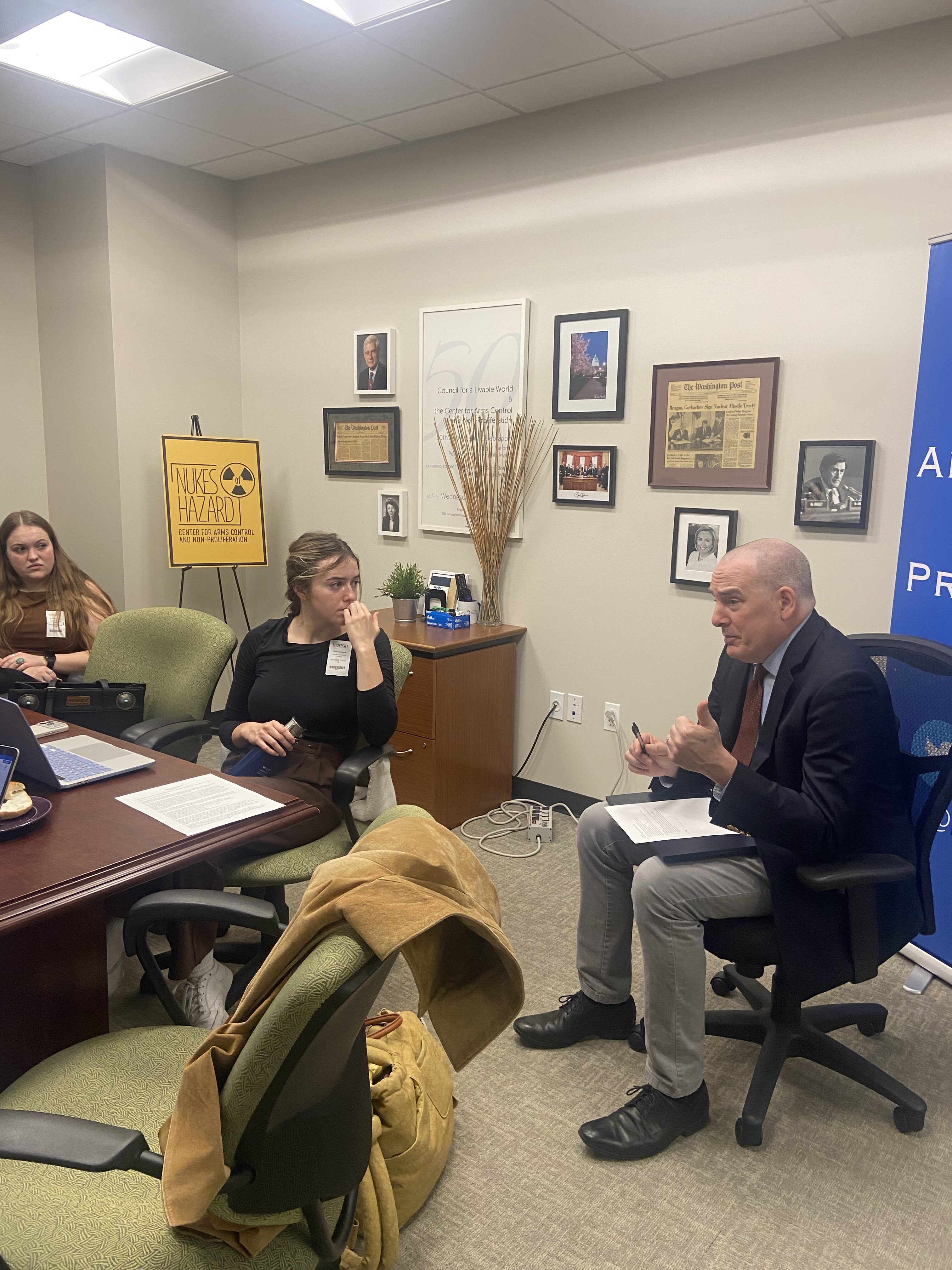
Trust But Verify. The simulation was designed to mirror real world negotiations where arms control objectives run into difficulties with verification. As is often the case, the U.S. team needed to be able to point to strict verification measures to get a treaty through Congress, while other countries saw merit in a more hands-off approach, trusting national interest to ensure compliance. The simulation ran true to form as this proved the stickiest point. A last-minute compromise proposal to require multiple means of verification but allow some flexibility on which ones drew interest but was unable to achieve consensus.
Role of the Chair. Participants had not foreseen the importance of the Chair (which I played). At several points, the Chair suggested paths to compromise that included key points from multiple delegations. The lesson learned was the usefulness of having a coordinator focused primarily on achieving agreement on a treaty.
Never Enough Time. Perhaps the most salient takeaway from the exercise was that good negotiations take time. Two and a half hours was far too little to reach agreement even on a set of provisions that everyone more or less supported at the outset. Real world arms control is painstakingly detailed and can take years. As one participant put it, “Now I understand better why it’s a bad idea to send your real estate guy to try to end nuclear proliferation in a weekend.”
Up next, we are developing a new scenario based on the Trump administration’s proposed trilateral arms control dialogue with Russia and China and a variation that will focus on the U.S. interagency process. We hope these exercises will highlight both the challenges of arms control negotiation and the need to develop professional capabilities so that when the time comes to negotiate the next generation of arms control documents, the next generation of professionals will be up to the task.