
Updated May 12, 2025 The U.S. nuclear arsenal comprises thousands of nuclear weapons and three methods of delivery, sometimes called “legs.” Warheads can be launched from the air via strategic bombers carrying gravity bombs or cruise missiles, from the sea by submarines holding ballistic missiles, or from underground silos housing intercontinental ballistic missiles. Collectively, these […]
Brief Summary of Fiscal Year 2021 Defense and Energy and Water Appropriations Bills
By John Isaacs and Monica Montgomery In an end-of-the-year burst of energy after months of bitter disagreements and procrastination, Congress finally approved the fiscal year 2021 omnibus appropriations bill on December 21. The bill, totaling $1.4 trillion across 12 individual appropriations bills, was packaged with a $900 billion coronavirus relief bill and other various measures, totaling 5,593 pages. In a late-night session, the House took two separate votes on the measure, passing four appropriations bills, including the Department of Defense bill, 327-85 and […]
Congress is (finally) paying attention to missile defense costs and failures
By John D. Isaacs and Samuel M. Hickey In the recently completed Fiscal Year 2021 National Defense Authorization Act (NDAA), Congress takes some significant steps toward reining in the Missile Defense Agency (MDA) and its wayward acquisition strategy. In the bill, Congress levels criticisms at the Pentagon’s handling of missile defense programs, reduces the missile […]
How is the National Defense Authorization Act passed?
The NDAA process, explained
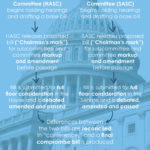
By Monica Montgomery The National Defense Authorization Act (NDAA) authorizes appropriations and establishes policy for the Department of Defense (DOD), nuclear weapons programs at the Department of Energy (DOE), defense intelligence programs, and other defense activities of the federal government (e.g., military construction projects, homeland security programs). The Defense Department is one of the only […]